@thi.ng/sax
v2.3.7TypeScript
Transducer-based, SAX-like, non-validating, speedy & tiny XML parser
0/weekUpdated yesterdayApache-2.0Unpacked: 44.7 KB
Published by Karsten Schmidt
npm install @thi.ng/sax!@thi.ng/sax

!npm downloads

> [!NOTE]
> This is one of 214 standalone projects, maintained as part
> of the @thi.ng/umbrella monorepo
> and anti-framework.
>
> 🚀 Please help me to work full-time on these projects by sponsoring me on
> GitHub. Thank you! ❤️
- About
- Status
- Related packages
- Installation
- Dependencies
- Usage examples
- API
- Basic usage
- Partial parsing & result post-processing
- DOM-style tree parsing using defmulti
- Error handling
- Emitted result type IDs
- Parser options
- Authors
- License
About
@thi.ng/transducers-based,
SAX-like,
non-validating, configurable, speedy & tiny XML
parser (~1.4KB brotli).
Unlike the classic event-driven approach of SAX, this parser is
implemented as a transducer function, transforming an XML input into a
stream of SAX-event-like objects. Being a transducer, the parser can be
used in novel ways as part of a larger processing pipeline and can be
composed with other pre or post-processing steps, e.g. to filter or
transform element / attribute values or only do partial parsing with
early termination based on some condition.
Additionally, since by default the parser emits any children as part of
"element end" events, it can be used like a tree-walking DOM parser as
well (see SVG parsing example further below). The choice is yours!
Status
STABLE - used in production
Search or submit any issues for this package
Related packages
- @thi.ng/hiccup-svg - SVG element functions for @thi.ng/hiccup & related tooling
- @thi.ng/parse - Purely functional parser combinators & AST generation for generic inputs
- @thi.ng/transducers - Collection of ~170 lightweight, composable transducers, reducers, generators, iterators for functional data transformations
- @thi.ng/transducers-fsm - Transducer-based Finite State Machine transformer
Installation
``bash`
yarn add @thi.ng/sax
ESM import:
`ts`
import * as sax from "@thi.ng/sax";
Browser ESM import:
`html`
For Node.js REPL:
`js`
const sax = await import("@thi.ng/sax");
Package sizes (brotli'd, pre-treeshake): ESM: 1.65 KB
Dependencies
- @thi.ng/api
- @thi.ng/strings
- @thi.ng/transducers
- @thi.ng/transducers-fsm
Note: @thi.ng/api is in _most_ cases a type-only import (not used at runtime)
Usage examples
Two projects in this repo's
/examples
directory are using this package:
| Screenshot | Description | Live demo | Source |
|:---------------------------------------------------------------------------------------------------------------------|:--------------------------------------|:----------------------------------------------------|:---------------------------------------------------------------------------------|
| 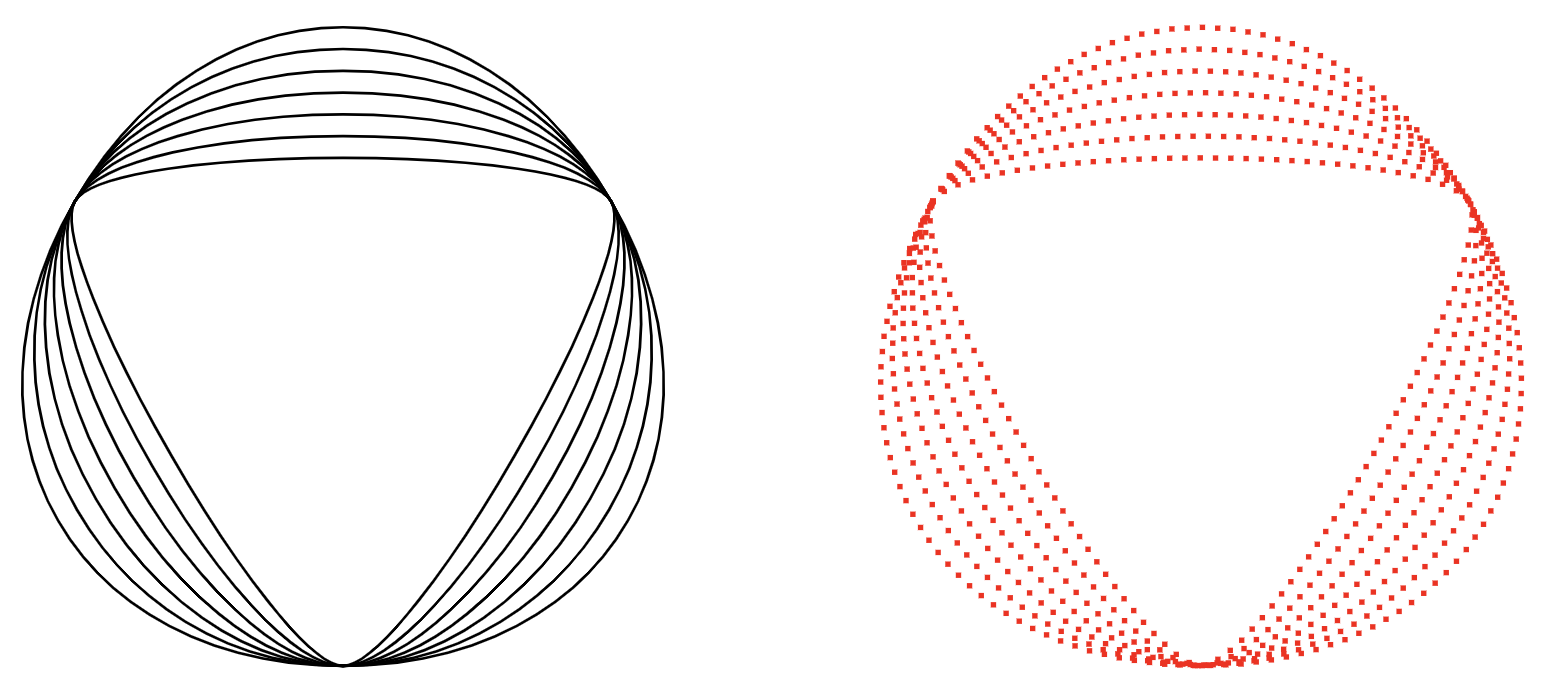 | SVG path parsing & dynamic resampling | Demo | Source |
| 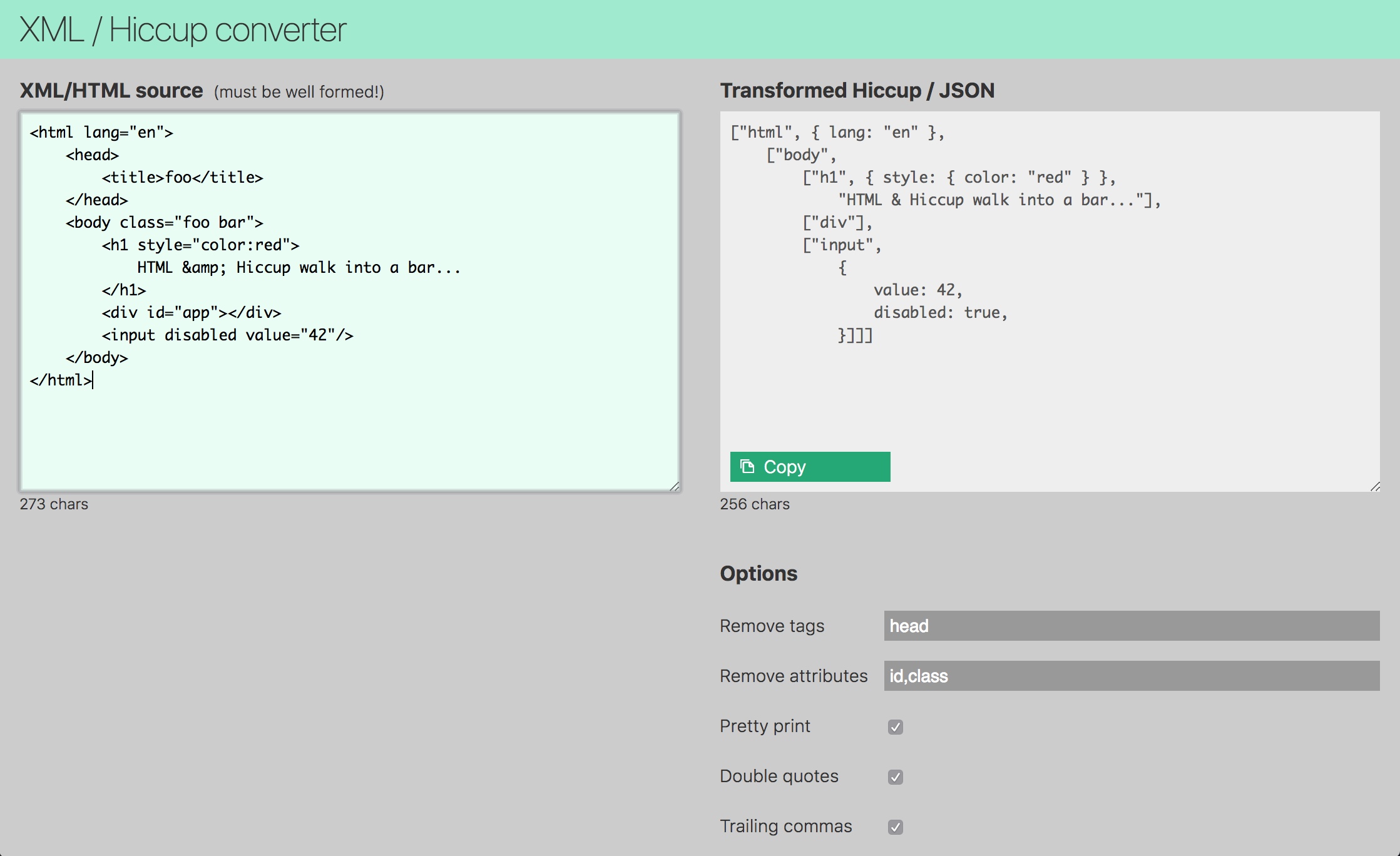 | XML/HTML/SVG to hiccup/JS conversion | Demo | Source |
API
$3
`ts
import * as sax from "@thi.ng/sax";
import * as tx from "@thi.ng/transducers";
src=
// sax.parse() returns iterator if input is given
doc = [...sax.parse(src)]
// ...or returns a transducer to be used with thi.ng/transducers
doc = [...tx.iterator(sax.parse(), src)]
// (see description of type values and parse options further below)
// [ { type: 0,
// tag: 'xml',
// attribs: { version: '1.0', encoding: 'utf-8' } },
// { type: 1, body: 'foo bar' },
// { type: 2, body: ' comment ' },
// { type: 4, tag: 'a', attribs: {} },
// { type: 6, tag: 'a', body: '\n ' },
// { type: 4, tag: 'b1', attribs: {} },
// { type: 6, tag: 'b1', body: '\n ' },
// { type: 4, tag: 'c', attribs: { x: '23', y: '42' } },
// { type: 6, tag: 'c', body: 'ccc\n ' },
// { type: 4, tag: 'd', attribs: {} },
// { type: 6, tag: 'd', body: 'dd' },
// { type: 5, tag: 'd', attribs: {}, children: [], body: 'dd' },
// { type: 5,
// tag: 'c',
// attribs: { x: '23', y: '42' },
// children: [ [Object] ],
// body: 'ccc\n ' },
// { type: 5,
// tag: 'b1',
// attribs: {},
// children: [ [Object] ],
// body: '\n ' },
// { type: 4, tag: 'b2', attribs: { foo: 'bar' } },
// { type: 5, tag: 'b2', attribs: { foo: 'bar' } },
// { type: 5,
// tag: 'a',
// attribs: {},
// children: [ [Object], [Object] ],
// body: '\n ' } ]
`
$3
As mentioned earlier, the transducer nature of this parser allows for
its easy integration into larger transformation pipelines. The next
example parses an SVG file, then extracts and selectively applies
transformations to only the elements in the first group
() element. Btw. The transformed elements can be serialized back
into SVG syntax using
@thi.ng/hiccup...
Given the composed transducer below, parsing stops immediately after the
first element is complete. This is because the matchFirst()
transducer will cause early termination once that element has been
processed.
`ts id:svgdoc
const svg = ;`
`ts tangle:export/readme-parse-svg.ts
import { parse, Type } from "@thi.ng/sax";
import * as tx from "@thi.ng/transducers";
// using the SVG example doc defined above
<
console.log(
[...tx.iterator(
tx.comp(
// transform into parse events (see parser options below)
parse({ children: true }),
// match 1st group end
tx.matchFirst((e) => e.type == Type.ELEM_END && e.tag == "g"),
// extract group's children
tx.mapcat((e) => e.children),
// select circles only
tx.filter((e) => e.tag == "circle"),
// transform attributes
tx.map((e)=> [e.tag, {
...e.attribs,
cx: parseFloat(e.attribs.cx),
cy: parseFloat(e.attribs.cy),
r: parseFloat(e.attribs.r),
}])
),
svg
)]
);
// [ [ 'circle', { cx: 50, cy: 150, r: 50 } ],
// [ 'circle', { cx: 250, cy: 150, r: 50 } ],
// [ 'circle', { cx: 150, cy: 150, fill: 'rgba(0,255,255,0.25)', r: 100, stroke: '#ff0000' } ] ]
`
$3
This example shows how SVG can be parsed into
@thi.ng/hiccup
format.
`ts tangle:export/readme-parse-elements.ts
import { defmulti, DEFAULT } from "@thi.ng/defmulti";
import { parse, type ParseElement } from "@thi.ng/sax";
import * as tx from "@thi.ng/transducers";
// using the SVG example doc defined above
<
// coerces given attribute IDs into numeric values and
// keeps all other attribs
const numericAttribs = (e: ParseElement, ...ids: string[]) =>
ids.reduce(
(acc, id) => (acc[id] = parseFloat(e.attribs[id]), acc),
);
// returns iterator of parsed & filtered children of given element
// (iterator is used to avoid extraneous copying at call sites)
const parsedChildren = (e: ParseElement) =>
tx.iterator(
tx.comp(
tx.map(parseElement),
tx.filter((e)=> !!e),
),
e.children
);
// define multiple dispatch function, based on element tag name
const parseElement = defmulti((e) => e.tag);
// tag specific implementations
parseElement.add("circle", (e) =>
[e.tag, numericAttribs(e, "cx", "cy", "r")]);
parseElement.add("rect", (e) =>
[e.tag, numericAttribs(e, "x", "y", "width", "height")]);
parseElement.add("g", (e) =>
[e.tag, e.attribs, ...parsedChildren(e)]);
parseElement.add("svg", (e) =>
[e.tag, numericAttribs(e, "width", "height"), ...parsedChildren(e)]);
// implementation for unhandled elements
parseElement.add(DEFAULT, () => null);
// finally parse & transform results:
// the last() reducer just returns the ultimate value
// which in this case is the SVG root element's ELEM_END parse event
// this also contains all children (by default)
console.log(
parseElement(tx.transduce(parse(), tx.last(), svg))
);
// ["svg",
// {
// version: "1.1",
// height: 300,
// width: 300,
// xmlns: "http://www.w3.org/2000/svg"
// },
// ["g",
// { fill: "yellow" },
// ["circle", { cx: 50, cy: 150, r: 50 }],
// ["circle", { cx: 250, cy: 150, r: 50 }],
// ["circle",
// {
// cx: 150,
// cy: 150,
// fill: "rgba(0,255,255,0.25)",
// r: 100,
// stroke: "#ff0000"
// }],
// ["rect",
// {
// x: 80,
// y: 80,
// width: 140,
// height: 140,
// fill: "none",
// stroke: "black"
// }]],
// ["g",
// { fill: "none", stroke: "black" },
// ["circle", { cx: 150, cy: 150, r: 50 }],
// ["circle", { cx: 150, cy: 150, r: 25 }]]]
`
$3
If the parser encounters a syntax error, an error event value incl. a
description and input position will be produced (but no JS error will be
thrown) and the entire transducer pipeline stopped.
`ts tangle:export/readme-error-handling.ts
import { parse } from "@thi.ng/sax";
import { iterator } from "@thi.ng/transducers";
console.log([...iterator(parse(), a)]);
// [ { type: 7, body: 'unexpected char: \'a\' @ pos 1' } ]
console.log([...iterator(parse(), )]);`
// [ { type: 4, tag: 'a', attribs: {} },
// { type: 4, tag: 'b', attribs: {} },
// { type: 7, body: 'unmatched tag: c @ pos 7' } ]
Emitted result type IDs
The type key in each emitted result object is a TypeScript enum with the following values:
| ID | Enum | Description |
|----|-------------------|-----------------------------------------------|
| 0 | Type.PROC | Processing instruction incl. attribs |Type.DOCTYPE
| 1 | | Doctype declaration body |Type.COMMENT
| 2 | | Comment body |Type.CDATA
| 3 | | CDATA content |Type.ELEM_START
| 4 | | Element start incl. attributes |Type.ELEM_END
| 5 | | Element end incl. attributes, body & children |Type.ELEM_BODY
| 6 | | Element text body |Type.ERROR
| 7 | | Parse error description |
Parser options
| Option | Type | Default | Description |
|------------|-----------|---------|--------------------------------------------------------------------------------------------------------------------------------------------------------------|
| children | boolean | true | If true, recursively includes children elements in ELEM_END events. For very large documents, this should be disabled to save (or even fit into) memory. |entities
| | boolean | false | If true, unescape standard XML entities in body text and attrib values. |trim
| | boolean | false | If true, trims element body, comments and CDATA content. If the remaining string is empty, no event will be generated for this value. |
Authors
If this project contributes to an academic publication, please cite it as:
`bibtex``
@misc{thing-sax,
title = "@thi.ng/sax",
author = "Karsten Schmidt",
note = "https://thi.ng/sax",
year = 2018
}
License
© 2018 - 2026 Karsten Schmidt // Apache License 2.0